LandOffer
Topic
Product & Project Delivery
Page 2 of 29 articles about Product & Project Delivery, newest first.
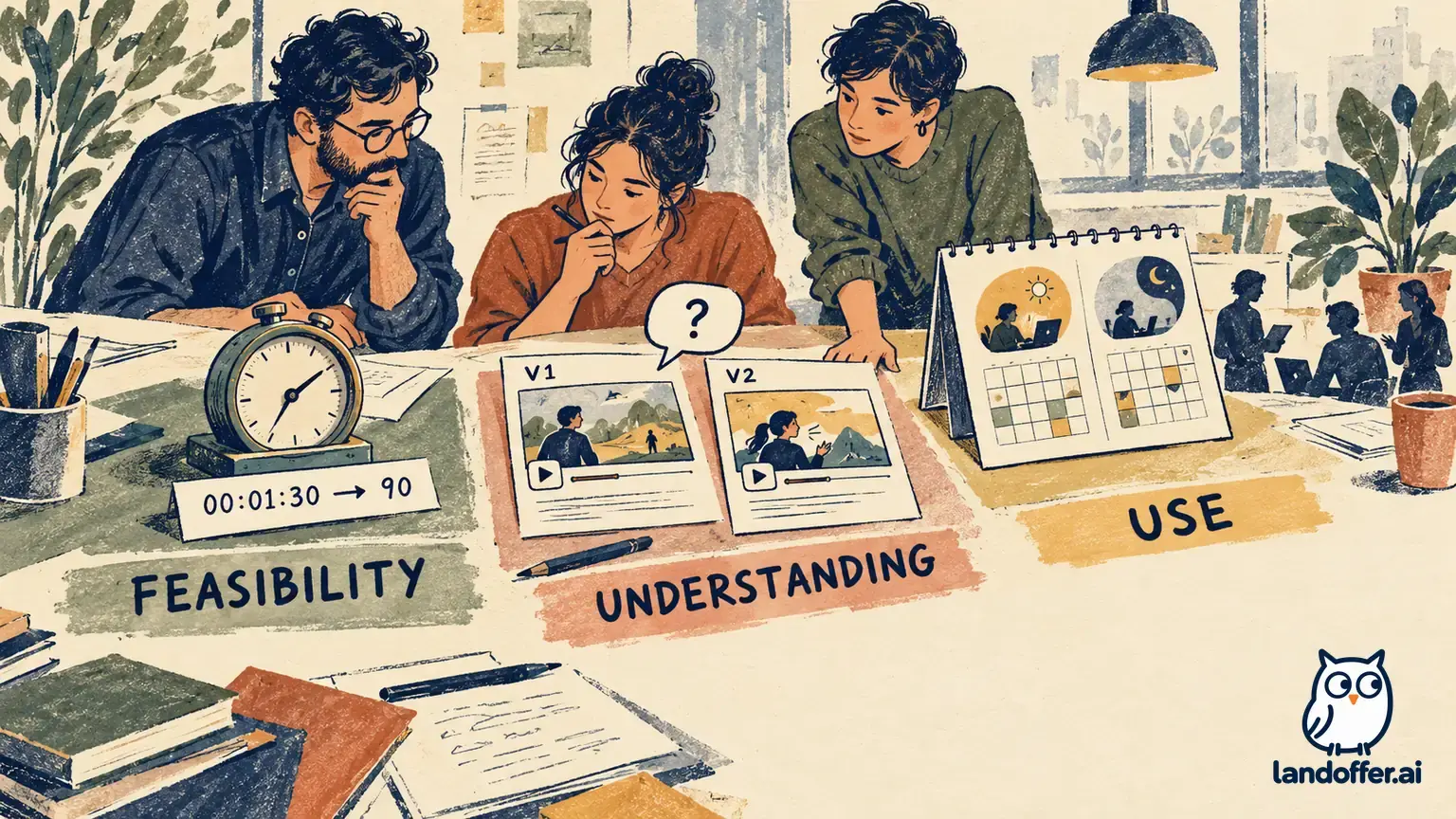
Browse the complete article archive →Prototype, Proof of Concept, or MVP? Agree on What the Work Must Prove
Choose a prototype, proof of concept, or MVP by its evidence goal. Follow one fictional product through technical, comprehension, and repeated-use decisions.
Recruit Product Research Participants Who Match the Decision
Recruit research participants by relevant experience with a completed screener, fictional selection register and honest gaps between fit and confirmed sessions.
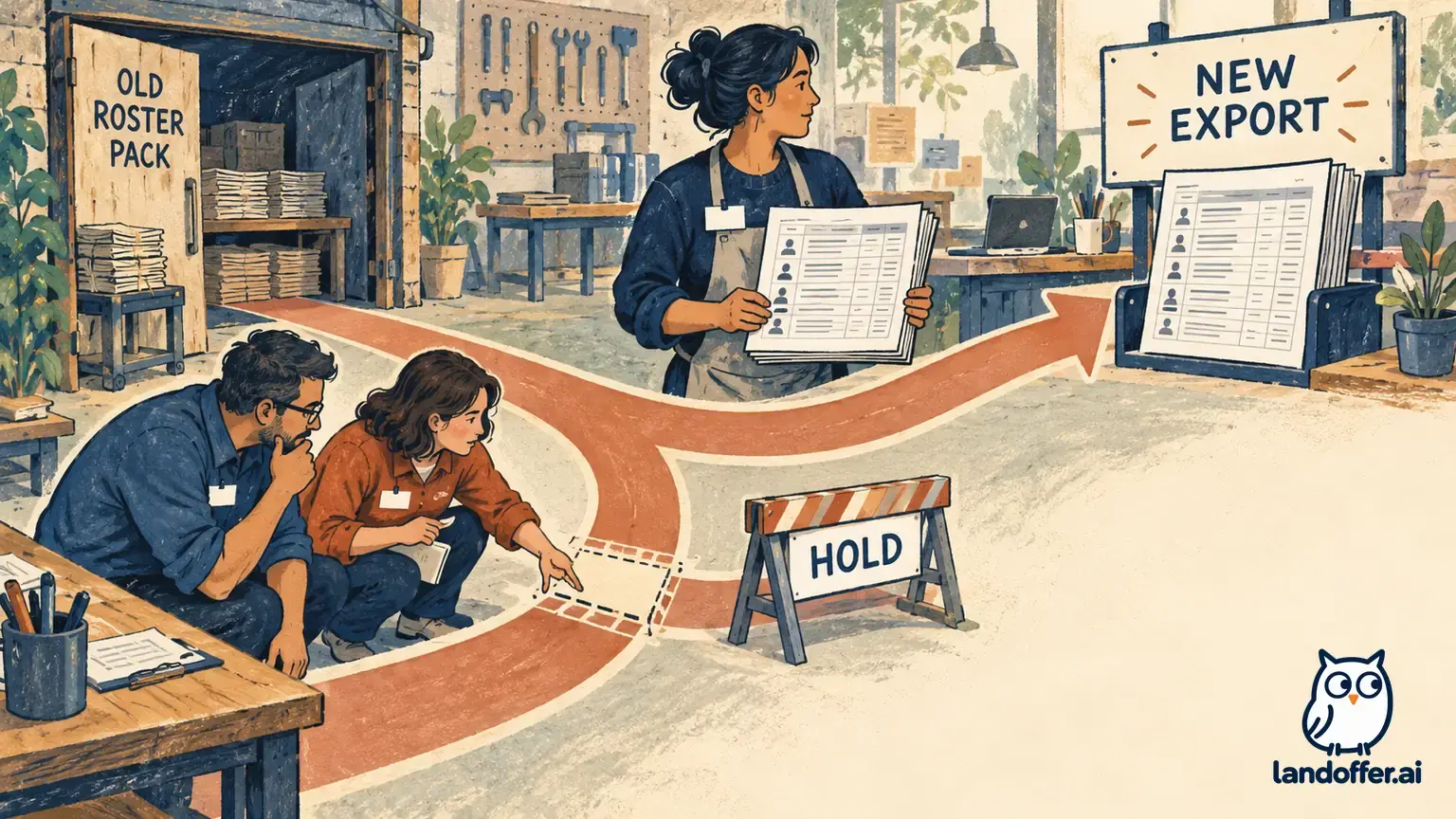
Retire a Product Feature Without Leaving Customers Without a Path
Build a feature-retirement plan with verified customer tasks, migration exceptions, a usable notice, and explicit hold and recovery conditions before switching.
Separate a Product Goal from a Sprint Goal Before Planning Work
Separate Product and Sprint Goals with a completed KitReturn example. Review scope changes, quality requirements and evidence without inflating outcomes.
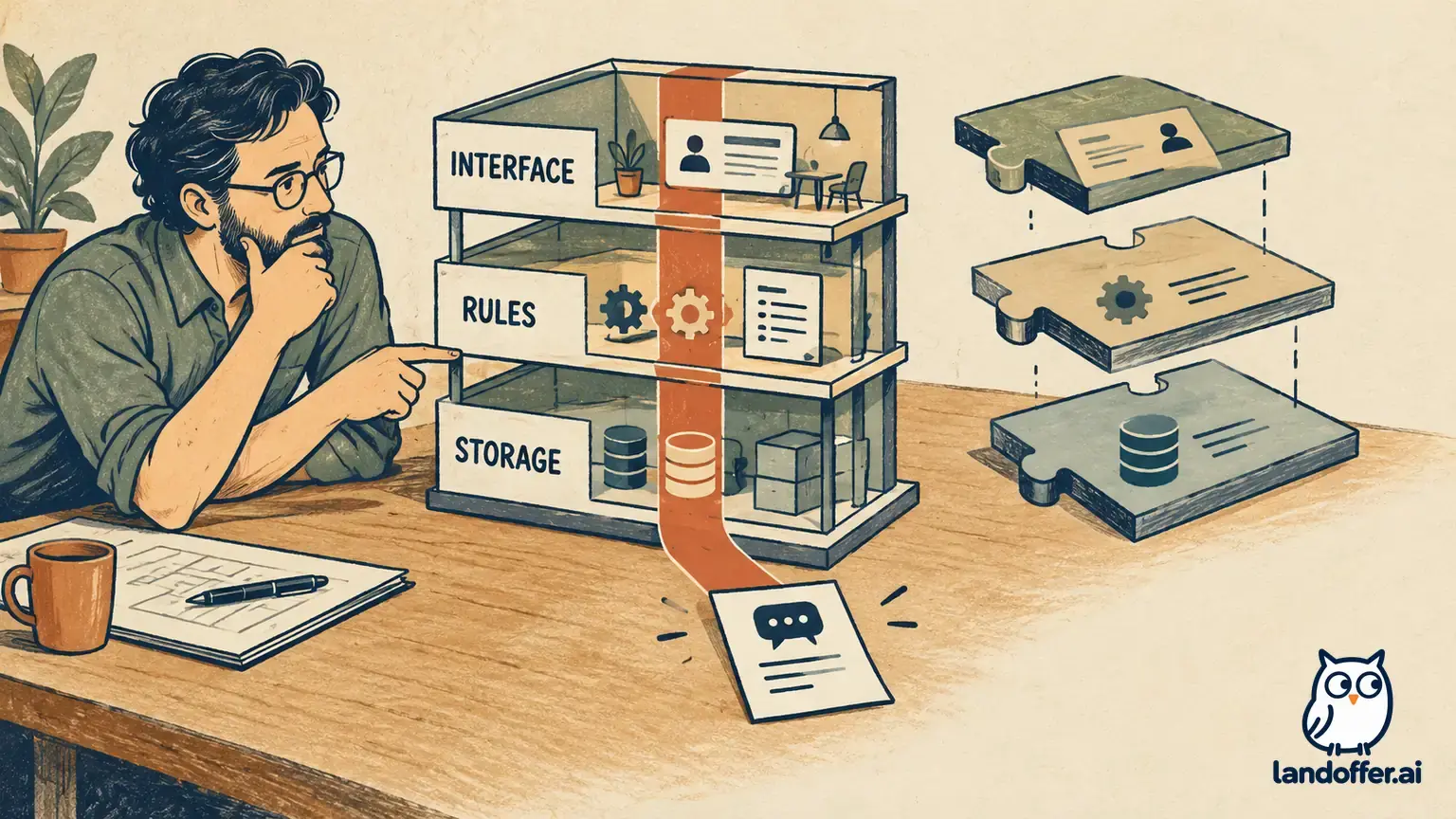
Split a Large User Story Without Delivering Disconnected Technical Layers
Compare three ways to split a large story, define useful inputs and outputs for each slice, and distinguish a passing local model from an integrated product.
Test Your Riskiest Product Assumption Before Building the Feature
Rank product assumptions by evidence and decision risk, then use a completed fictional test and stop decision to challenge a feature before funding development.
Timebox a Technical Spike and Decide What Evidence Is Enough
Plan a technical spike with a timebox and stop rules, then use a real synthetic SQLite experiment to record failed assumptions, limits and an estimate update.
Turn Research Notes into Findings Without Counting Every Comment as a Vote
Use a completed research-analysis case to separate observations, themes, counterexamples, and decisions without treating repeated comments as independent votes.
Use a Definition of Ready Without Turning It into a Gate That Stops Learning
Use a completed readiness discussion and checklist revision to separate essential prerequisites from owned unknowns without adding a sequential approval gate.
Use a User Story Map to Choose a Coherent First Release
Choose a coherent first release with a completed story map, equal-effort scope comparison and trace checks. Keep planned task coverage separate from real tests.
Use Jobs-to-Be-Done Interviews to Understand Why Customers Changed Tools
Reconstruct why a customer changed tools with a completed fictional switch timeline, four-forces evidence map, and a bounded next research decision.
Use RICE Prioritization Without Treating the Score as a Decision
Use RICE with consistent reach units, explicit confidence evidence and complete effort estimates. Recalculate rankings and record the actual funding decision.