LandOffer
Job search
ServiceNow Portfolio for Job Applications: Preserve a PDI Demo and Show Your Own App
Keep a fictional ServiceNow learning case reviewable outside its PDI, and inspect an actual five-file offline archive without claiming platform restoration.
A ServiceNow portfolio should remain understandable when its Personal Developer Instance is unavailable. Preserve the application work through an appropriate source-control or Update Set route, inventory separately needed data and supporting materials, and explain your own design and tests. Keep a durable record of the work outside the instance; its address alone cannot preserve the implementation or its evidence.
LandOffer publishes this guide and offers job-search tools. Public ServiceNow sources were checked October 21, 2026. The candidate and PDI project below are fictional. We executed a separate original offline model and five-file archive check; we did not access a PDI, configure ServiceNow, create credentials, export an Update Set, or restore an application on the platform. Compare recent tech roles with the skills your own permitted evidence can demonstrate.

Treat the PDI as a learning environment with an availability limit
ServiceNow's PDI guide describes a free learning and experimentation environment. It distinguishes hibernation, which preserves data, from reclamation, which resets an unassigned instance for another user. Availability is not guaranteed, and PDIs are not intended for business or production use. Match documentation to the release you actually use.
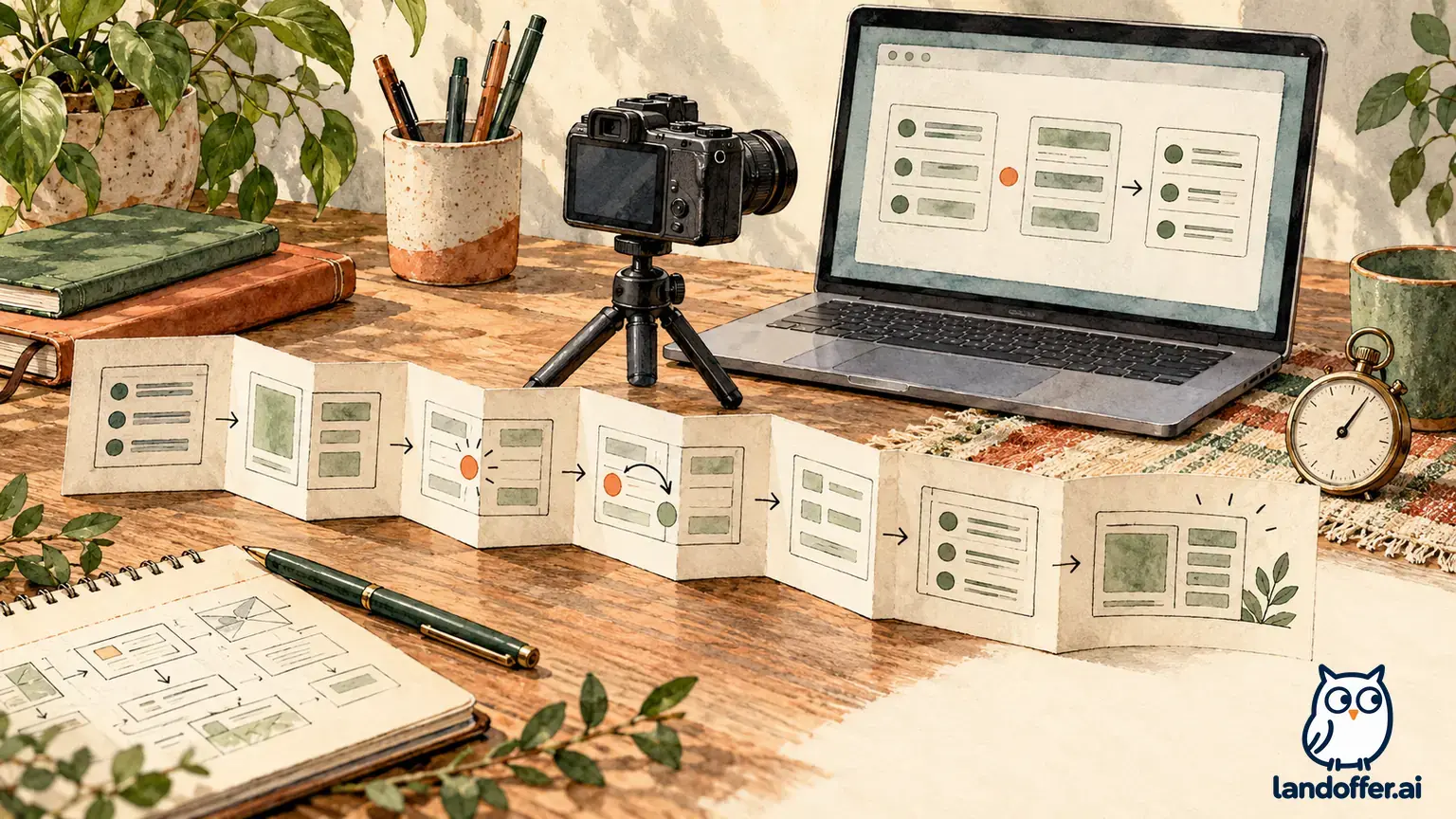
Give the reviewer an evidence route that remains usable when the demonstration environment is unavailable. Keep a permitted case narrative, implementation references, synthetic sample inputs, test records, and carefully selected images or a recording outside the instance. Identify one application revision across those materials so a reviewer can connect the implementation to the behavior shown.
Do not provide administrator credentials to a recruiter to make a demo convenient. Explain the workflow through a controlled demonstration or authorized materials, using fictional data where appropriate. A recording can preserve a past behavior, but it is still dated evidence of the version shown. It does not establish that the current instance remains available or that a new installation works.
If the PDI is unavailable before an interview, state that limitation and use the preserved account of the work. Do not promise immediate recovery or pretend that a screenshot is a live application. A useful explanation can still distinguish the problem, your implementation, the behavior observed, and the work not yet verified.
Resolve reclamation guidance without promising permanent access
The accessible PDI guide describes Developer Site activity as part of keeping an instance active. However, ServiceNow's July 10, 2026 reclamation announcement describes affected instances as at least 90 days old with no PDI login during the preceding ten days. It explicitly excludes Developer Site logins and background activity from that activity test.
That announcement also tells recipients of a reclamation notice to plan for reclamation even if they log in afterward. Its listed July notification dates describe that announcement's rollout, not a calendar for every future instance. This is a material documentation difference; do not turn an older general guide into a guarantee that visiting the developer portal preserves your work.
Check the current official notice and the status relevant to your own instance. Preserve important work before the stated reclaim date rather than waiting for an assumed last chance. This article did not inspect an account notice or decide whether an individual instance meets the criteria. The safe portfolio-planning assumption is that an instance may become unavailable.
Do not substitute automated activity or artificial keep-alive traffic for a backup plan. The goal is a recoverable record of legitimate learning work and an honest demonstration route. A scheduled process running somewhere does not prove that the provider counts it as activity or that the environment will remain assigned to you.
Separate application files, configuration, data, and presentation evidence
ServiceNow's official backup walkthrough describes Studio and App Engine Studio source-control routes and Update Set exports. It distinguishes application/configuration files from ordinary business records and describes separate ways to include needed data. Its Update Set process includes export, later import, preview, and commit; a saved XML file alone is not an observed successful restoration.
Choose a preservation route appropriate to your application type and release. Record the application scope, revision, dependencies, exported package or repository reference, and anything saved separately. Inspect the saved materials outside the PDI. A source-control menu showing a linked repository is different from verifying that the intended revision and files are actually present there.
Keep credentials and sensitive information out of a public portfolio package. This article did not create a token or connect a Git provider, and its case does not require a public repository. Review an actual integration's required access separately before configuring it. The backup walkthrough is evidence of available procedures, not permission to expand access or expose an employer's implementation.
For sample data, use a small synthetic set with a known purpose. Identify whether it is needed to reproduce a test, populate a demonstration, or explain a design choice. An application package and a dataset answer different recovery questions. Include a setup note so a future reader knows which parts must be recreated and what remains untested.
Worked asset one: a complete fictional application case and preservation decision
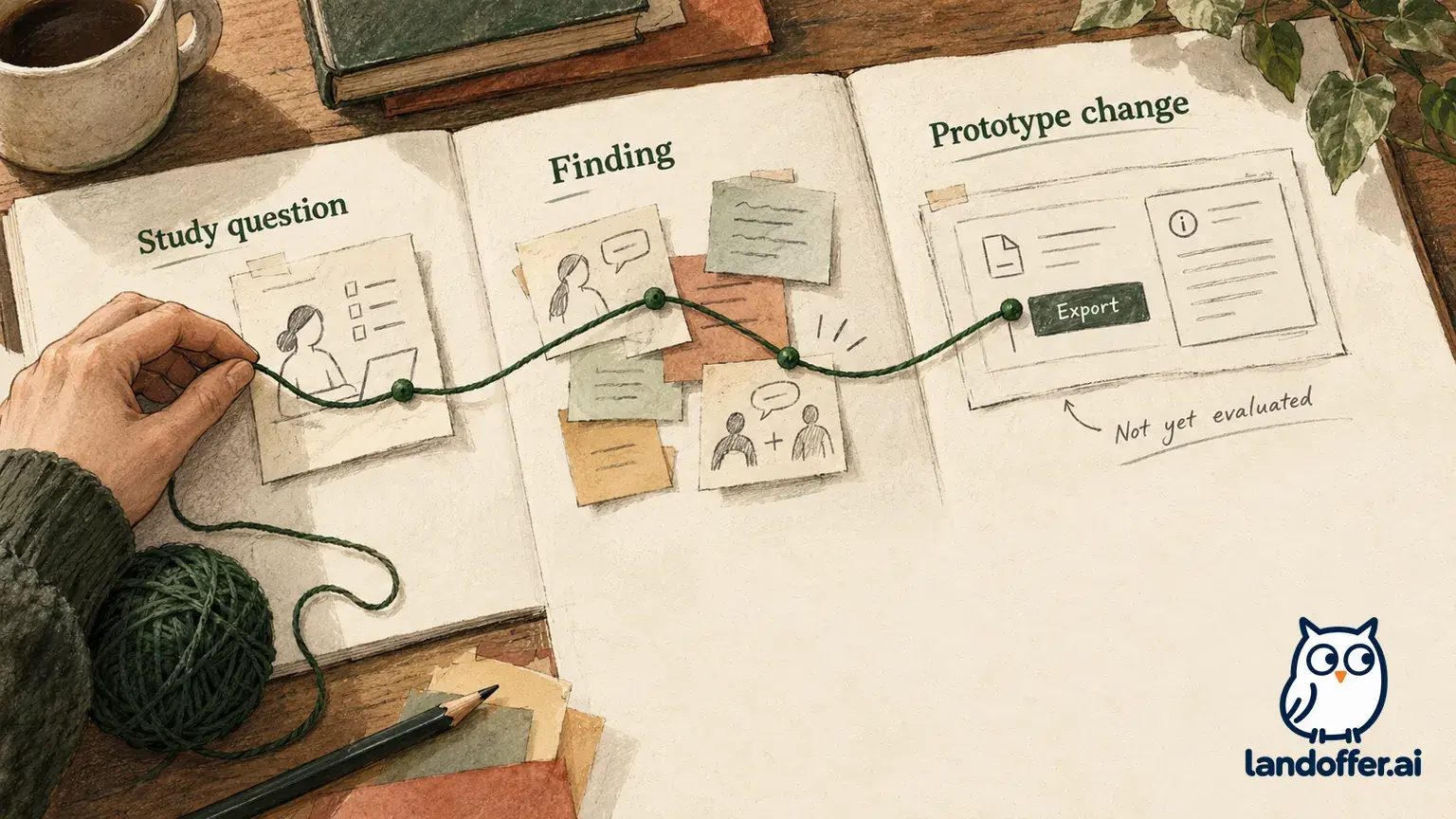
Fictional candidate Nora built Workshop Kit Intake, a learning-only request app in a fictional PDI. Everything about that platform project is stipulated for teaching; we did not observe Nora or run the app. The case concerns requests for shared workshop kits, with a reviewer responsible for decisions. It handles no real inventory, payments, personal information, or organizational operations.
Her completed case record reads:
| Case component | Finished fictional record |
|---|---|
| Problem and boundary | Make a learning request's draft, submitted, and closed states explicit; no claim of production inventory accuracy |
| Personal contribution | Nora defines the fields and state rules, configures the learning app, and documents the demonstration |
| Guided material | A course supplies initial navigation instructions; Nora identifies that assistance instead of presenting every setup step as an original design |
| Proposed access model | A requester submits a request; a reviewer handles the submitted state; unrelated viewers cannot perform that review action |
| Stipulated checks | Nora records positive reviewer and negative requester/viewer examples for the selected revision; this is invented platform evidence |
| Preservation decision | Retain the scoped-app source reference, separate synthetic samples, setup instructions, dated test record, and a short case narrative outside the instance |
| Unresolved work | Restoration in a replacement PDI, release compatibility, comprehensive access testing, and ongoing availability remain unverified |
Her finished portfolio opening is: “Workshop Kit Intake — ServiceNow learning project. I designed and configured a small request-state workflow using synthetic kit requests. I separated request submission from review and documented the selected positive and negative examples. Initial setup used course guidance; the state model and case explanation reflect my declared contribution. This was not a customer deployment, and restoration on another instance remains untested.”
The opening is complete without promising permanent access to the PDI. Nora's fuller narrative explains why she separated submission from review, what the negative examples were intended to catch, and which configuration belonged to her work. She keeps the course contribution visible and does not turn a learning badge into proof that the workflow met a real organization's acceptance criteria.
Her completed preservation decision is also explicit: the case may be discussed through the saved narrative while the instance is unavailable, but the application must not be described as restored until a compatible target has been prepared and the relevant import and behavior checks have actually succeeded. Dated demonstration evidence remains useful without becoming a recovery certificate.
Worked asset two: inspect an actual five-file offline package
We created a separate AI-authored teaching package called KIT3. It is ordinary local Python and JSON, not a ServiceNow application, platform export, or substitute for an Update Set. Its purpose is to make package completeness and verification claims inspectable without operating an account or tenant.
The original toy rule permits review only when the declared state is submitted and the declared role is reviewer. We executed all nine combinations of three states—draft, submitted, closed—and three role labels—requester, reviewer, viewer. One combination was permitted and eight were held; the input records remained unchanged. These are model results, not evidence that ServiceNow permissions enforce that rule.
The complete archive inventory is:
| File in the original teaching package | Purpose and observed preservation result |
|---|---|
| policy.py | Contains the small offline rule; restored bytes match the original hash |
| schema.json | Declares KIT3 states, roles, and non-ServiceNow scope; restored hash matches |
| synthetic-input.json | Contains the nine original combinations; restored hash matches |
| README.md | Explains setup and limits; restored hash matches |
| test-results.json | Records the one permitted and eight held model cases; restored hash matches |
A separate manifest records the five filenames, revision, and SHA-256 hashes. We wrote the files into a local ZIP, checked its CRC integrity, read its known entries into a separate local directory, and compared every restored file with the manifest. All five restored-file hashes matched their manifest entries, and a separate comparison confirmed the original files remained unchanged.
Two additional checks rejected a missing synthetic-input file and a KIT3 package presented against a KIT4 requirement. Removing the synthetic-input entry from the observed inventory made the completeness comparison fail. Asking the same KIT3 package to satisfy a KIT4 revision requirement also failed. The verifier retained the mismatch rather than treating any readable archive as the requested version.
The completed package decision is: “KIT3's five local teaching files survived this ZIP round trip with matching hashes. Its nine-case model result is preserved. Missing-file and wrong-revision checks reject incomplete or mismatched inventories. No ServiceNow import, preview, commit, dependency resolution, platform authorization, or application recovery was performed.”
A hash match establishes byte agreement with a declared baseline. It does not establish that the baseline contains the right application, that the code is safe, or that a target platform can execute it. Those are separate checks. Likewise, retaining a test report does not mean the restored application has been rerun on a new release.

Show a reviewer the behavior and its limits
Build the portfolio around a decision the reviewer can inspect. Describe the business-like problem using fictional inputs, explain your own contribution, and show one meaningful positive case and one rejected case. Keep the application revision beside the evidence so the reader can connect the narrative, configuration reference, and test record.
Explain a failure honestly. If a requester could perform a reviewer-only action during your actual test, preserve the failure, correction, and rerun. Do not hide it behind a later green screenshot or claim access isolation from testing only an administrator account. State which users, conditions, and operations were checked; keep the rest unresolved.
If you have not tested restoration, write that directly. A written recovery procedure records the intended steps; it remains untested until the target and behavior checks actually occur. Exporting a package is preservation evidence. Importing it without evaluating dependencies is another intermediate state. An observed successful workflow on the intended target is stronger evidence, but still has the limits of the cases you actually ran.
Before sharing, inspect the package and demonstration for secrets, private records, and restricted work. Retain only material you may disclose. Open and check the intended reviewer route before the interview; if the PDI is unavailable, use the saved narrative and state that limitation. Neither this article nor its local fixture published an application or changed an instance.
Use LandOffer's current listings to select the workflow and technical responsibility worth explaining. Preserve the work outside the temporary environment, identify what you personally built, and attach each success statement to the checks that actually support it.