LandOffer
Job search
Embedded Software vs. Firmware Jobs: Compare Drivers, Real-Time Code, and Hardware Ownership
Three current employer descriptions show overlapping titles; a fictional Linux developer maps actual evidence to platform, firmware and hardware gaps.
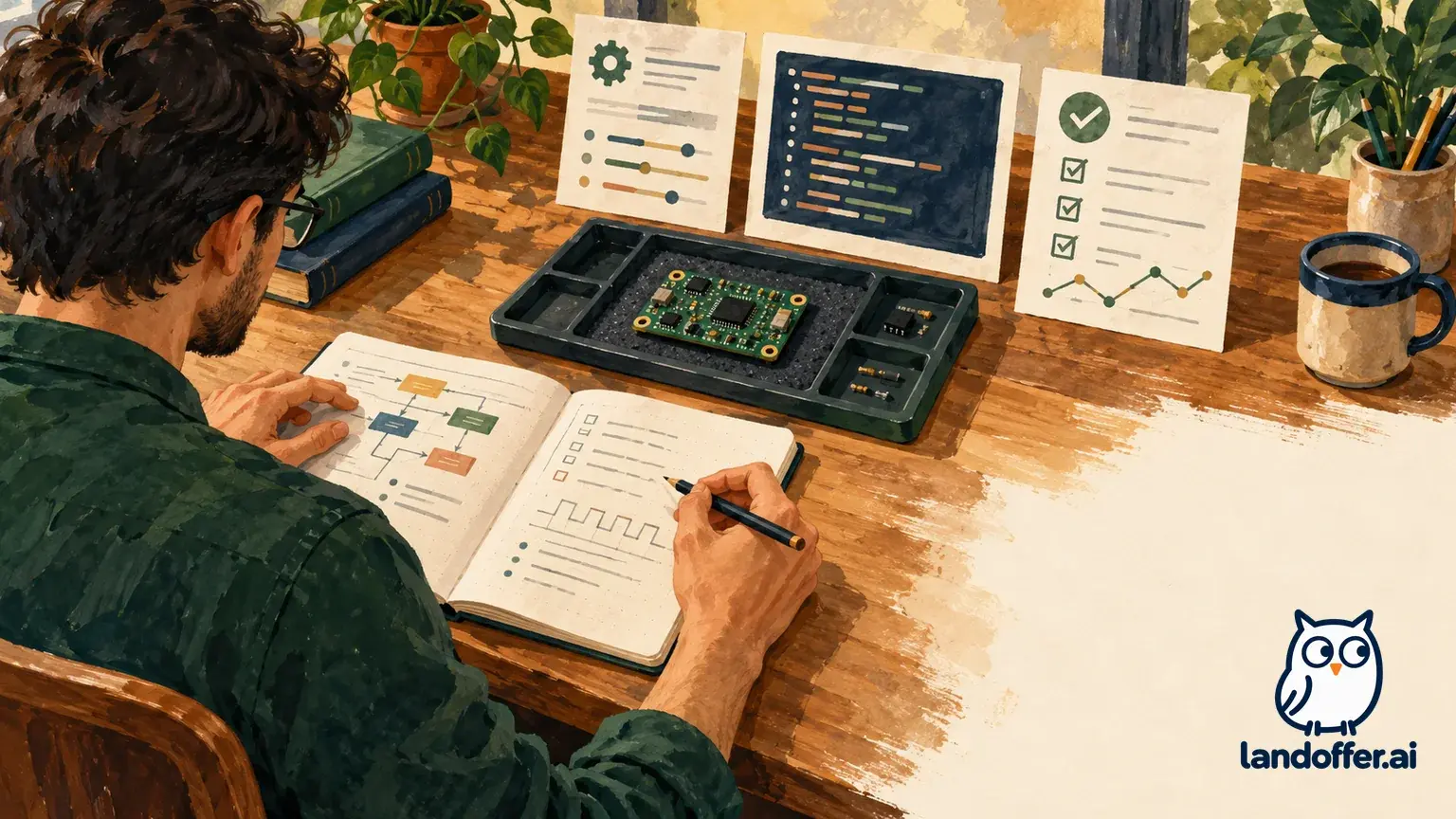
An Embedded Software Engineer posting can ask for boot ROMs, microcontroller firmware, and board bring-up. A Firmware Engineer posting can include Linux-based board management. Choosing between these jobs by title alone can hide the part of the system you would actually own.
The useful comparison is the work boundary: which processor runs your code, which operating environment it uses, how directly you interact with hardware, and which failures you must diagnose. We reviewed three current employer descriptions on October 20, 2026, plus official Linux and Zephyr documentation. This is a bounded role comparison, not a census of hiring practices or an assessment of any applicant. For additional openings, browse recent roles on LandOffer.ai and compare the same responsibilities.

Treat the title as a search term, then read the ownership
Embedded software usually points toward software operating within a device or specialized system. Firmware often emphasizes code closely associated with that hardware's startup, control, or management. Employers can use both labels for overlapping work. Neither label reliably tells you whether the job is bare-metal, RTOS-based, Linux-based, or primarily application integration.
Start with the actions the employer expects you to own. Bringing up a board, initializing peripherals, maintaining a kernel driver, building an operating-system image, and implementing an application feature each describe different deliverables. One role may span several. Look for the central responsibility and the experience the employer treats as required rather than turning every technology mentioned into an equal requirement.
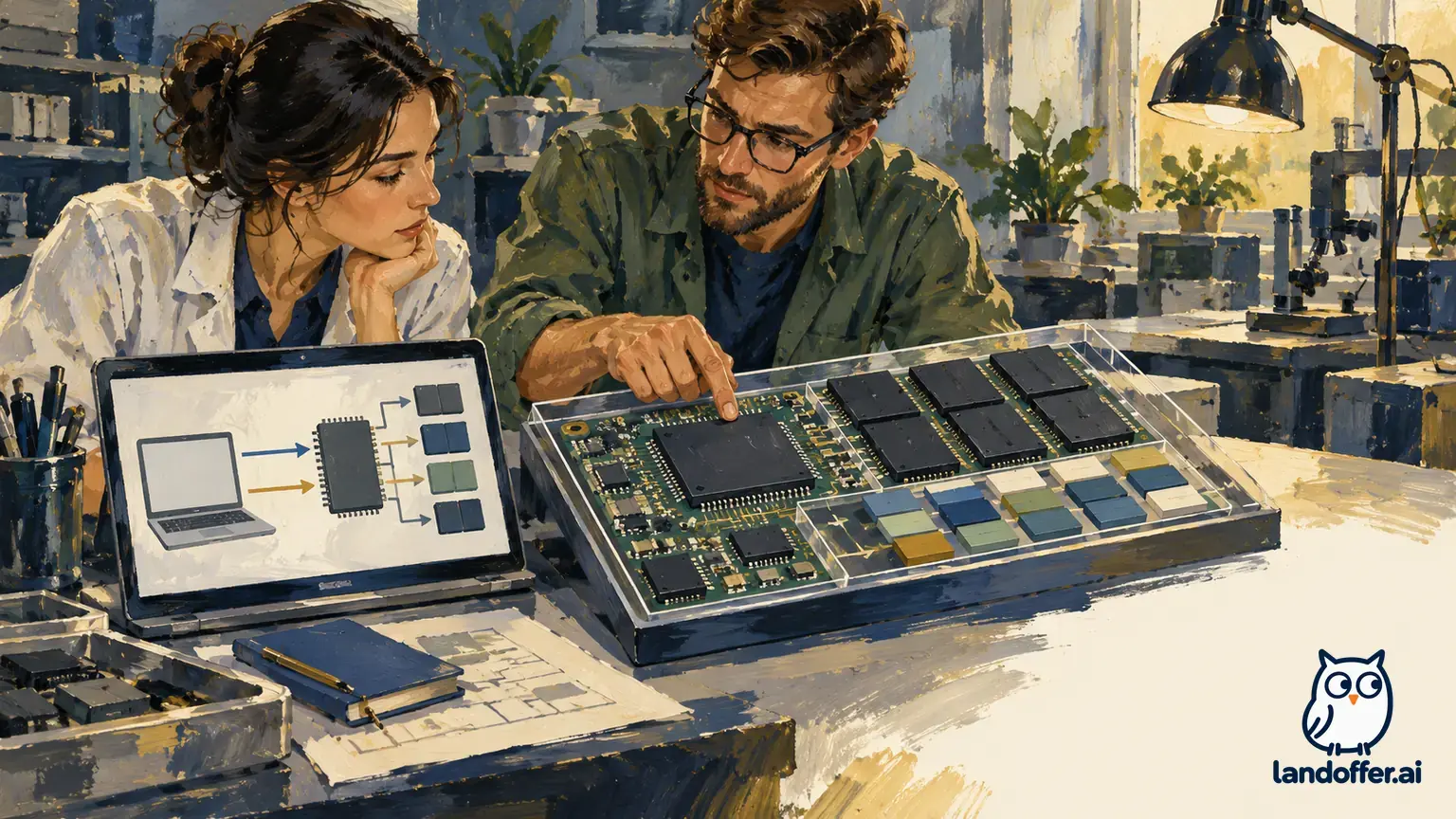
Keep the execution environment separate from the product domain. Two engineers working on an AI accelerator might own entirely different systems: one handles microcontroller power sequencing, another handles host-side PCIe communication, and another integrates a higher-level runtime. Sharing the product does not make their evidence interchangeable. A host-driver project will need a different explanation from a microcontroller power-sequencing project.
Apply the same check to familiar skill names. C or C++ experience is relevant, but a list of languages does not show that you have handled interrupts, hardware faults, memory constraints, or a production boot failure. Identify the artifact you delivered and the boundary you controlled.
Completed comparison: three actual employer descriptions
We opened the employer-hosted pages below and read their current rendered responsibilities and requirements. All three displayed an application route; we did not apply, contact the teams, or verify that a particular candidate would be considered. Location and hiring availability can change after this observation.
| Employer and current title | Runtime and hardware boundary observed | Central ownership | Classification for this comparison |
|---|---|---|---|
| Etched — Embedded Software Engineer | Accelerator software, platform microcontrollers/FPGA firmware, host Linux kernel and drivers | Specialize in one area while contributing across the others | A broad systems role spanning several layers |
| Sunday Robotics — Embedded Software Engineer | Embedded Linux compute platforms and custom carrier boards | Bootloader, kernel, devicetree, BSP, drivers, images and updates | Linux platform enablement with hardware bring-up |
| MatX — Firmware Engineer - Platform & Board Management | ARM microcontrollers, real-time or bare-metal firmware; Linux-based BMC experience listed as a nice-to-have | Board health, sensor monitoring, power/thermal management, firmware updates and bring-up | Board-management firmware with explicit hardware debugging |
Etched illustrates the overlap. Its Embedded Software Engineer description divided work into accelerator software, platform software, and host-side kernel and drivers. The accelerator area included CPU initialization, RTOS work, boot ROMs, bootloaders, and memory and I/O concerns. The platform area included power sequencing, telemetry, updates, and collaboration through hardware design and production. The host area included Linux drivers, PCIe, DMA, and command flows.
The completed classification is broad systems ownership, with depth in one area expected. It would be inaccurate to read Embedded Software as meaning only application code, or to assume every applicant must already own all three areas equally. The posting expressly described specialization and cross-area contribution. Its location was on-site in San Jose.
Sunday narrows the Linux platform boundary. The Sunday Robotics posting put embedded Linux compute software at the center. It named bootloader, kernel, devicetree, board support package, drivers, and userspace integration. It also required substantial embedded Linux build-system experience and hands-on bring-up on application-class systems-on-chip.
For this comparison, that is a stronger match to a Linux platform engineer than to someone who has only written an application running on an already working device. RTOS firmware familiarity appeared among the nice-to-have items. We therefore did not elevate it above the central Linux requirements. The rendered location was on-site in Redwood City, California.
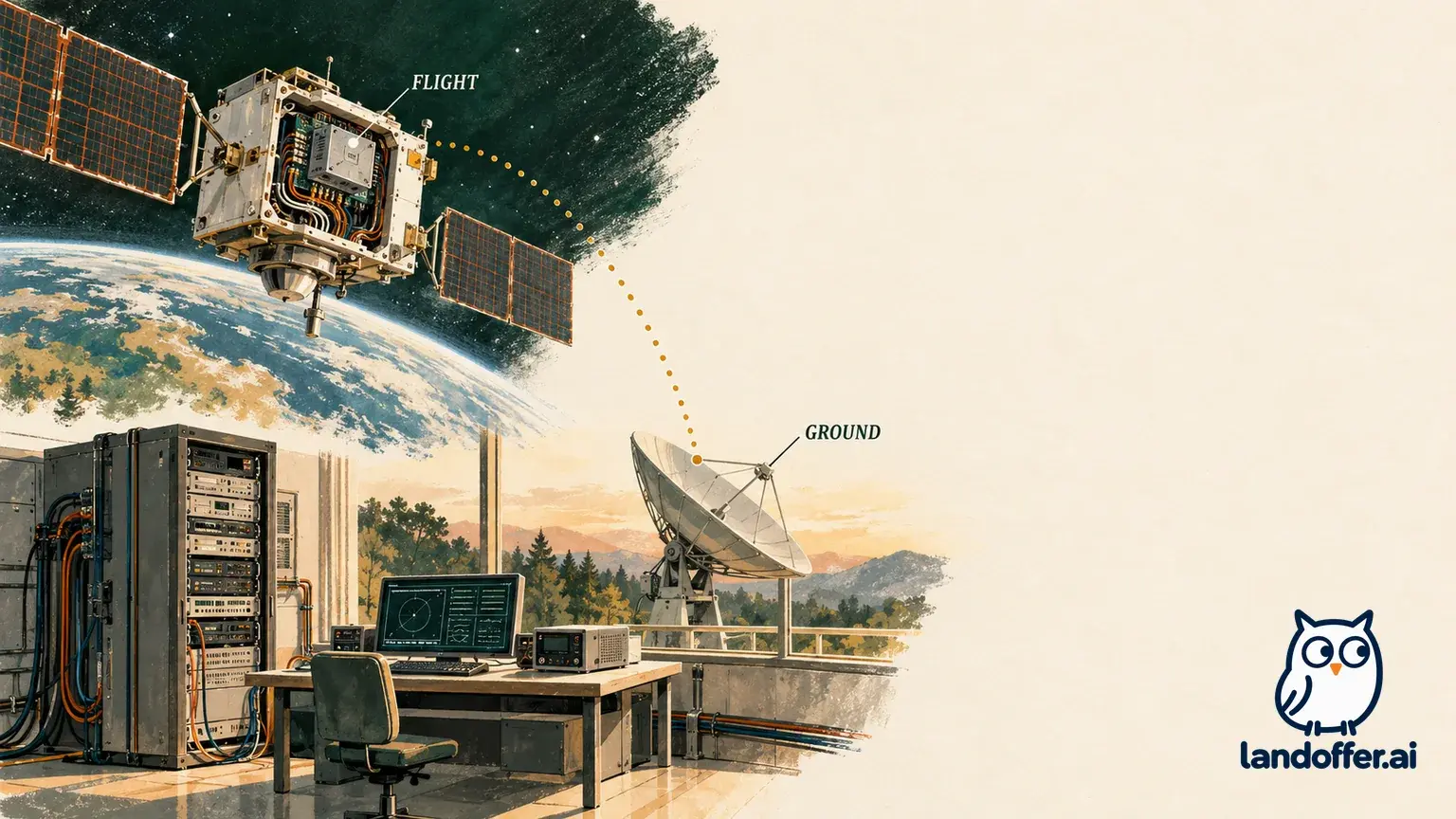
MatX keeps firmware broader than a single boot image. The current MatX description was titled Firmware Engineer - Platform & Board Management, although search results had called it BMC Firmware Engineer. We used the current employer title. Its responsibilities covered board management, ARM microcontroller firmware, sensor monitoring, power and thermal behavior, updates, and hardware health reporting.
The required experience included embedded C, real-time or bare-metal constraints, datacenter firmware exposure, and comfort with schematics and lab equipment. Linux-based BMC firmware was a nice-to-have, not a replacement for the microcontroller requirements. The listing was hybrid in Mountain View. This is a management-and-control boundary, rather than evidence that firmware jobs universally exclude Linux.
The three classifications establish title overlap within this sample. They do not establish which title is more common, pays more, or is easier to enter. We also encountered a separately indexed ALSO firmware page that rendered Job not found; it was excluded from the current-role comparison. A search snippet or HTTP success alone was insufficient evidence of an available role.
Drivers and boot work need more precise evidence
Driver work can mean a Linux kernel component or a peripheral interface on a microcontroller. The Linux driver-model overview describes the kernel's organization of devices and drivers. That kernel-level model differs from a userspace application calling an existing device interface; using the interface does not establish authorship of its driver.
If your experience is userspace integration, say so. You may have diagnosed device behavior, handled reconnection, or maintained a service that consumes sensor data. Those are useful responsibilities. They do not automatically establish that you wrote the kernel driver, implemented its hardware initialization, or owned its power-management behavior.
Boot ownership also has several possible boundaries. Updating an image through an established deployment process differs from modifying startup code or diagnosing why a new board never reaches the operating system. A posting naming a BSP or bootloader warrants a closer look at what you changed, how you recovered failures, and whether you worked on the target hardware.
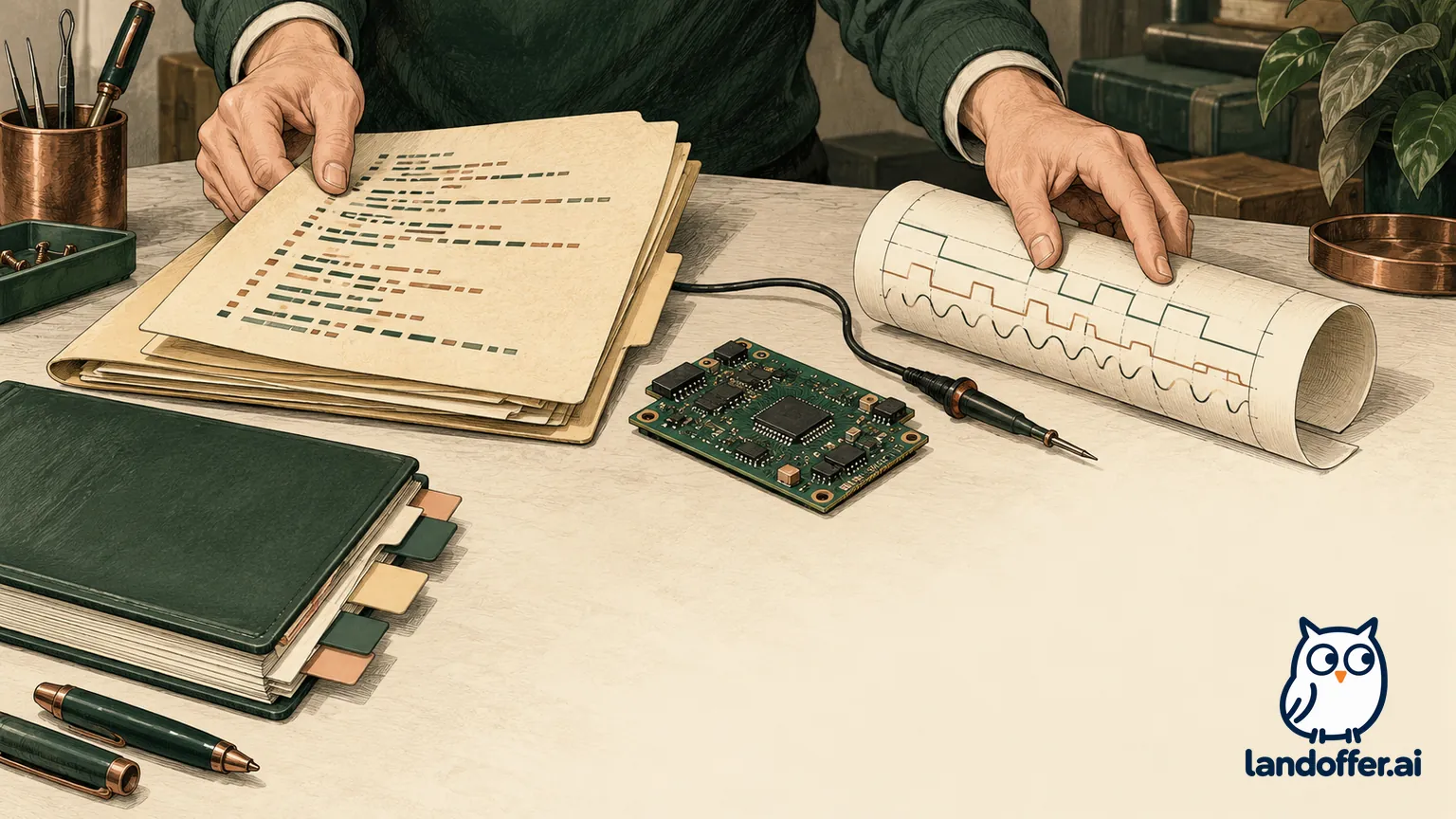
Identify your hardware contribution by the fault, the diagnostic tool, and the change you made. Reading a schematic with an electrical engineer, identifying an incorrect reset sequence, and writing a reproducible failure report are different contributions. Record your own part without claiming the entire board design. An employer can then assess the overlap with its specific bring-up responsibilities.
Real-time experience is about constraints and behavior
An RTOS name on a resume is a starting point. The more informative evidence explains the deadline, the execution context, the shared resources, and what happened when work arrived faster than expected. Ordinary Linux application latency work does not establish the same boundary as a constrained interrupt path.
For example, Zephyr's interrupt documentation explains that interrupt service routines execute asynchronously to threads, must run quickly, and can offload work to a thread. That supports a useful interview distinction: receiving an event in an interrupt handler and performing the substantial processing later are separate responsibilities.
It does not follow that adding an RTOS or moving code into a workqueue guarantees a deadline. Timing depends on the actual target, scheduling, interrupt activity, workload, and implementation. Describe measurements and limitations from your own system. A desktop test of a buffer does not establish hardware interrupt latency or prove a real-time requirement was met.
Similarly, average execution time is insufficient evidence for a strict bound. A credible project description states the tested conditions and the failure behavior. Avoid upgrading a periodic task into safety-critical expertise unless you actually worked within the required safety process and can explain that responsibility.
Completed candidate routing: preserve the missing hardware boundary
Maya is a fictional developer used to demonstrate an evidence-based shortlist. Her stipulated background is three years maintaining C++ services on production embedded Linux devices. She owns a userspace sensor-data service, packaging and logging, and reproducing failures from field traces. She has changed an image recipe under review. She has not implemented a kernel driver, brought up a new carrier board, or shipped an RTOS task.
Her personal learning repository contains a C ring buffer and mocked sensor input. For this example, no code was executed and no hardware measurements were taken. Its existence is part of the fictional scenario, not a claim about a real candidate or a validated implementation.
Here is her completed evidence map against the reviewed work boundaries:
| Evidence Maya can honestly describe | Boundary it supports | Boundary still missing | Routing decision |
|---|---|---|---|
| Production C++ sensor service and field-failure reports | Userspace integration, debugging, service reliability | Kernel initialization and device-driver ownership | Retain systems/application roles; do not claim driver authorship |
| One reviewed image-recipe change | A specific build-system contribution | Ownership of custom layers, BSP and full production images | Investigate Linux platform roles while stating limited scope |
| Mocked-input ring-buffer learning project | A small code artifact to discuss assumptions and error handling | Interrupt context, real hardware, timing evidence and production behavior | Label personal study; do not present as RTOS delivery |
| No schematic or lab-tool project | No demonstrated board bring-up ownership | Diagnosing electrical/software interaction on a new board | Treat hardware-heavy bring-up as a substantive gap |
Her current shortlist decision is specific. Sunday's role is adjacent to her Linux experience but substantially deeper in BSP, drivers, build systems, and bring-up; she marks it as a stretch, not a demonstrated match. MatX's microcontroller, real-time, and datacenter firmware requirements are presently outside her strongest evidence. Etched's breadth gives her several areas to examine, but its required low-level hardware interaction and real-hardware production experience still need a careful comparison with her contribution.
She does not convert those observations into an interview probability. She can choose whether to apply after reading all requirements, but the mapping gives her a more honest account of what she can substantiate. A familiar title may make the move feel smaller, but it supplies no missing driver, timing, or bring-up evidence.
Her rewritten experience statement is: “Maintained a C++ userspace sensor service on deployed Linux devices; reproduced field failures from logs and supported a reviewed image-recipe change.” She removes the proposed phrase “owned firmware and drivers,” because the scenario does not support it.
For her next learning step, she chooses a documented peripheral bring-up project on hardware she can safely access. The planned evidence is a wiring/interface record, the specific code changed, captured fault behavior, and a clear account of what remains untested. This remains an unexecuted learning plan. Finishing a tutorial would not, by itself, establish production ownership or satisfy an employer’s requirements.
Choose a search route without narrowing yourself prematurely
Search both labels, then group results by ownership: microcontroller control, Linux platform enablement, host drivers, device applications, or a combination. This can reveal relevant work that a single title filter misses. Keep the employer's exact title in your notes while using your own classification to compare responsibilities.
For each serious lead, record the required runtime and hardware interface, the central deliverable, the expected production experience, and the work location. Separate required skills from nice-to-have items. A role connected to physical prototypes may have lab or on-site expectations even when some development can happen elsewhere.
The evidence you already have should determine the explanation you give. Production reliability, test automation, and application integration can transfer into embedded teams; they do not erase missing low-level ownership. Conversely, someone who has shipped microcontroller firmware should not assume that Linux image maintenance or kernel-driver integration follows automatically.
Use the comparison to select a credible conversation about the actual work. Browse recent LandOffer roles, open the employer description, and identify the component you would own before deciding that Embedded Software or Firmware is the better title for your search.
Sources and Further Reading
- Etched Embedded Software Engineer, current rendered employer responsibilities, October 20, 2026.
- Sunday Robotics Embedded Software Engineer, current Linux platform and location requirements, same date.
- MatX Firmware Engineer - Platform & Board Management, current title and requirement hierarchy, same date.
- Linux kernel driver-model overview and Zephyr interrupts, technical context checked on the same date; no candidate code or target hardware tested.